Report in 48 hours
From the last test. If a case needs more time, we tell you the same day instead of leaving you waiting.
Occupational health in Salt Lake City, with an in-house lab, a mobile unit and surveillance programs by hazard.
The question we hear most often starts with: "An inspector flagged our medical records."
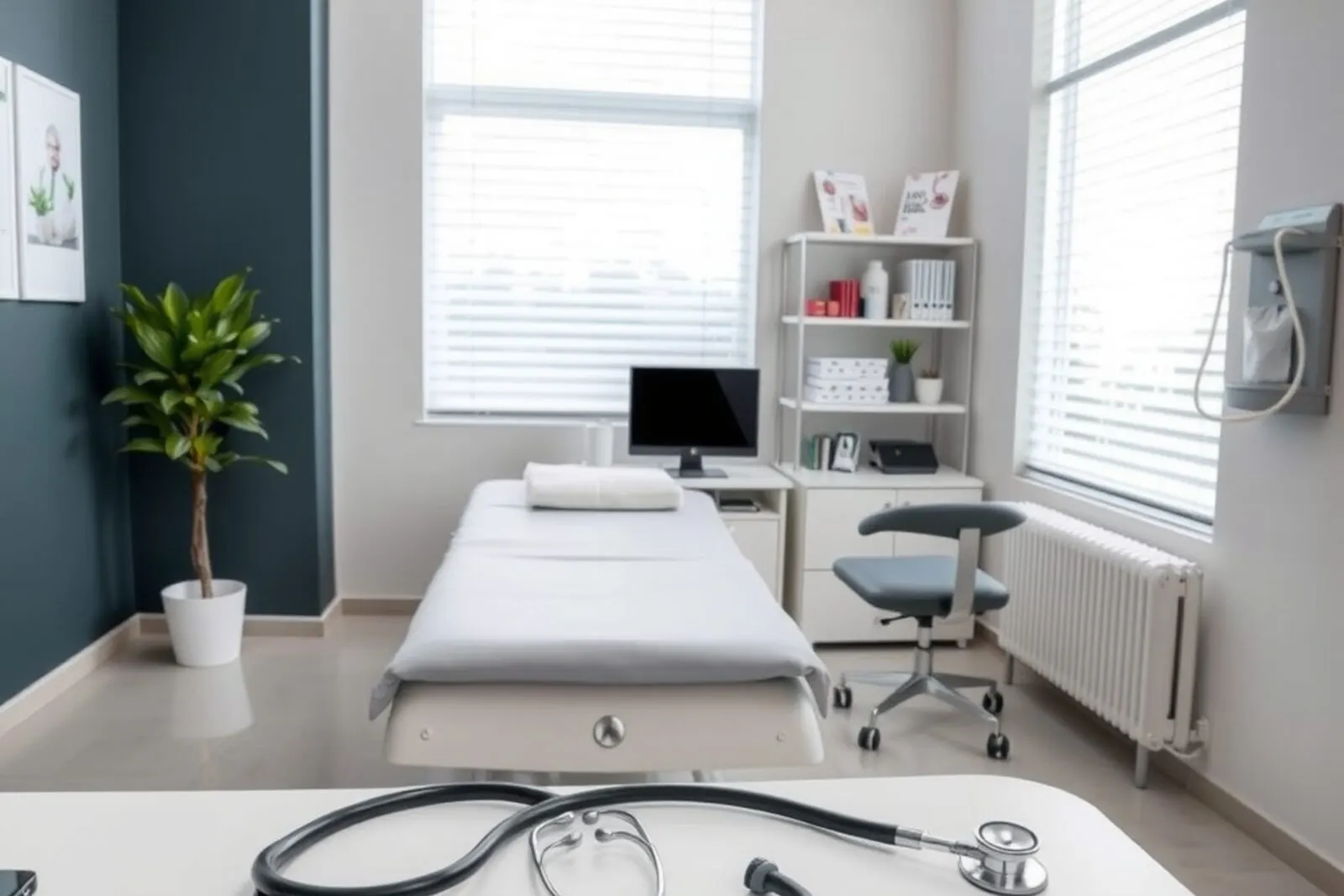
Bristlecone grew out of a scene we kept seeing: exams done assembly-line style, clearances signed with nothing behind them and flagged employees nobody ever saw again. When the inspection or the accident comes, that paper protects neither the company nor the employee.
The protocol is built around the position and its real hazards.
Every clearance states the finding it's based on, signed with a license number.
Flagged cases get a recheck with a date and an owner.
We start from what's actually worrying the company, not from a price list.
Pick a situation to see how we'd handle it.
The report goes out within 48 hours of the last test. If a case needs more time, we tell you the same day instead of leaving the site waiting.
View related serviceWe check what's missing: protocols by position, support for each clearance, proof of exit exams and the surveillance log.
View related serviceClearance is evaluated against the site's actual elevation, not a generic number. That changes the cardiovascular and respiratory evaluation.
View related serviceWe bring the mobile unit to the job site or the mine, with the equipment for the protocol and block scheduling.
View related serviceThe protocol is set by the position's real hazards. A test that doesn't apply drives up the cost without protecting anyone.
View related serviceThat's exactly what an inspection looks at. We set up the surveillance program with dated rechecks and an owner assigned.
View related serviceIt's what documents the employee's health on the way out. Without it, a later claim gets argued with no evidence.
View related serviceEvery stage has a point where the company gets information and can decide.
The same order for one office employee or a crew of 120 on a job site.
Before we quote, we set the protocol based on the position and its real hazards: heights, noise, dust, food handling or driving. Billing for tests a position doesn't need drives up the cost without protecting anyone.
Stage 1 of 5We schedule employees in blocks with set appointment times. Sending twenty people at seven in the morning means the last one walks out at two in the afternoon, and the company loses a full day of work from all of them.
Stage 2 of 5The employee completes all their tests in one pass: lab work, hearing test, spirometry, vision, fitness-for-duty and the physical exam. If a test in the protocol is missing, we don't send them back another day without warning.
Stage 3 of 5The report goes out within 48 hours of the last test, with the clearance and the finding behind it, signed by the occupational physician with their license number. A clearance with nothing behind it won't hold up in an inspection.
Stage 4 of 5Employees with findings go into follow-up: we set the recheck, the date and what the company needs to fix at the workstation. An exam that finds a problem and never follows up just fills a filing cabinet.
Stage 5 of 5It's not just about having the exam done. It's about it holding up when someone reviews it.
From the last test. If a case needs more time, we tell you the same day instead of leaving you waiting.
Each clearance states the finding it's based on and carries the physician's name and license number.
Only the tests the position requires. We don't pad the exam with things that don't apply.
Block scheduling, so the company doesn't lose an entire crew for the whole day.
A mobile unit for screenings where your people are, without driving a hundred employees to the clinic.
Flagged employees get a dated recheck, and the company gets a list of what to fix at the workstation.
What's worth knowing about Bristlecone before your first screening.
Occupational exams, work at heights and altitude, lab work, a mobile unit, surveillance and training.
Large screenings at remote sites and high-altitude clearances, where clinical support matters most.
Mining and energy, construction, and industry and services, each with its own protocols.
Getting exams back on time, making them hold up to review and turning findings into real follow-up.
A protocol by position, block scheduling, a report in 48 hours and dated rechecks.
We back up what we sign. And we tell you when a not-cleared result can improve instead of just closing the case.
We'll send you the protocol for each position with the per-person price and the turnaround time.